

Ipamorelin 5mg: Researching Selective Growth Hormone Secretagogue Signaling
Ipamorelin 5mg is a synthetic peptide used in laboratory research involving growth hormone secretagogue activity. It belongs to a class of compounds designed to interact with the growth hormone secretagogue receptor (GHS-R), a receptor involved in the regulation of growth hormone signaling.
Ipamorelin has attracted scientific interest because its activity is comparatively selective within the growth hormone secretagogue class. This makes it particularly relevant to researchers studying how receptor activation can influence downstream endocrine signaling without treating all secretagogue compounds as biologically interchangeable.
The compound is frequently investigated alongside other peptides and secretagogues to better understand differences in receptor activity, signaling intensity, and physiological responses observed in experimental models.
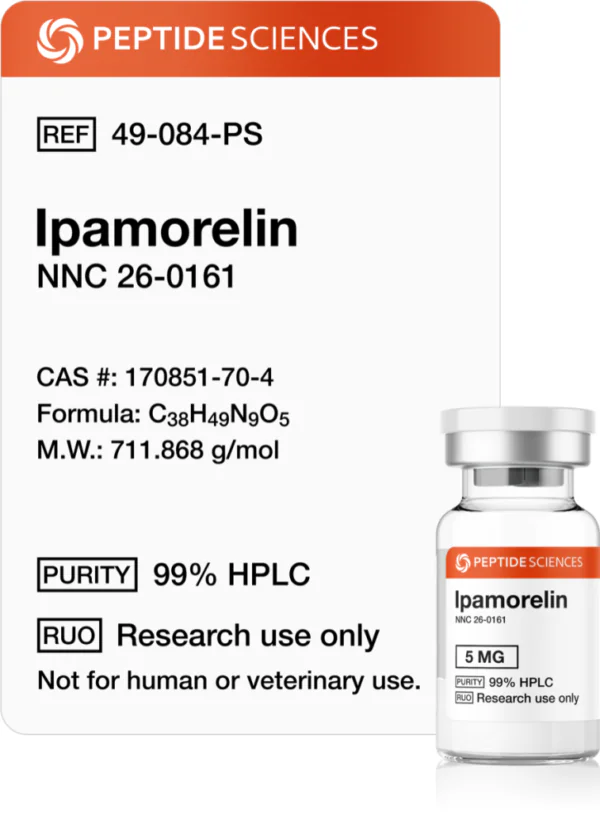
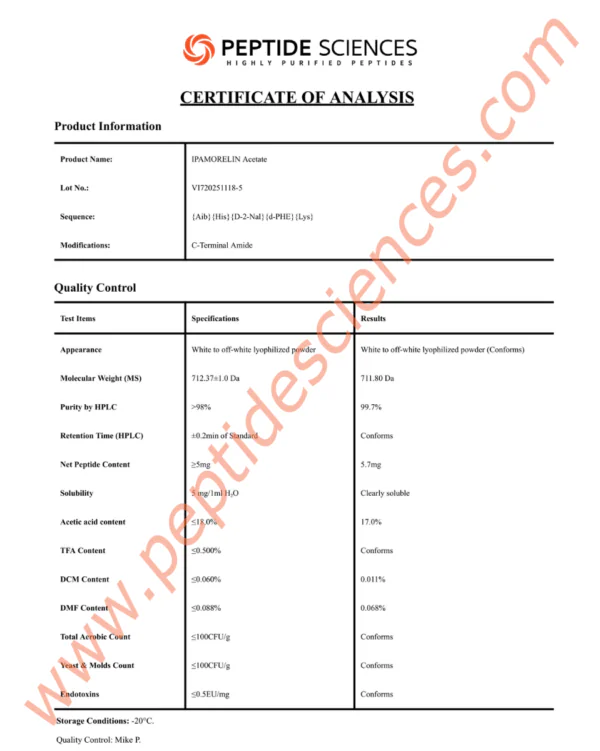
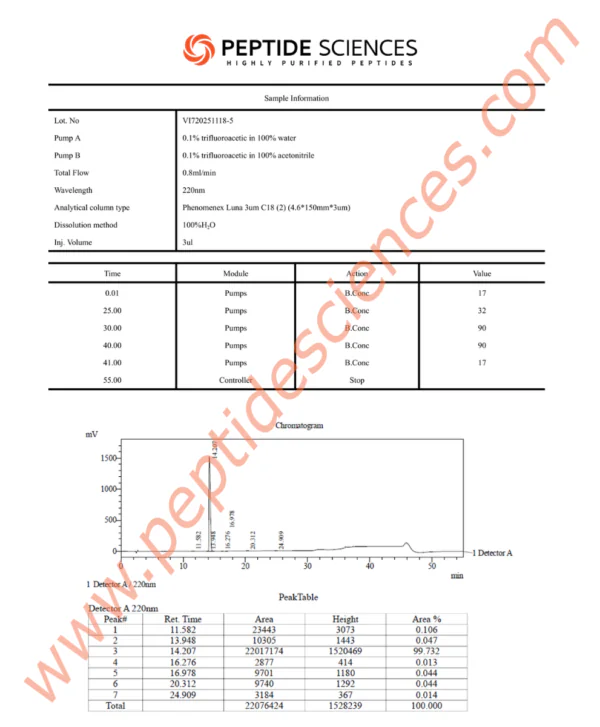
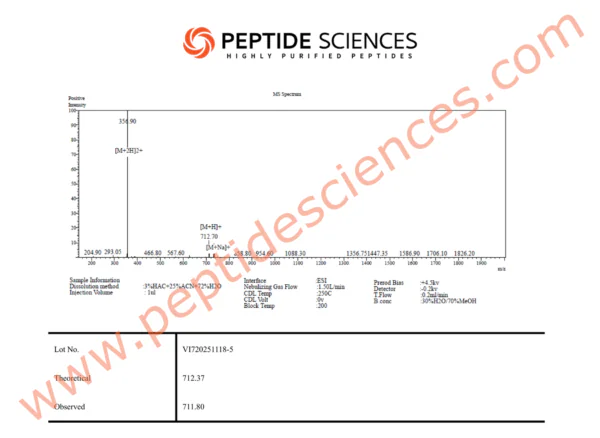
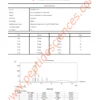
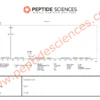
For researchers considering Ipamorelin 5mg for sale, product-specific documentation should be reviewed carefully before beginning laboratory work. Exact analytical characteristics, purity, formulation, and storage requirements should be confirmed using the applicable batch documentation.
Primary Research Classification
Research Classification: Growth Hormone Secretagogue / GHS-R Agonist
Ipamorelin is primarily studied as a selective agonist of the growth hormone secretagogue receptor. GHS-R is a G-protein-coupled receptor associated with regulation of growth hormone secretion and broader metabolic and endocrine signaling.
Research applications may include:
- Growth hormone receptor and secretagogue signaling
- GHS-R activation studies
- Endocrine pathway research
- Hypothalamic-pituitary signaling investigations
- Peptide-receptor interaction studies
- Comparative research involving growth hormone secretagogues
- Cellular signal-transduction experiments
Scientific Background
Ipamorelin is a synthetic peptide belonging to the growth hormone secretagogue family. Its development was motivated by research into compounds capable of influencing growth hormone release through the GHS-R pathway.
The peptide’s research importance is linked to its receptor selectivity. GHS-R is expressed in tissues involved in endocrine regulation, and its activation can initiate intracellular signaling cascades that ultimately influence growth hormone secretion.
A key area of interest is the relationship between receptor binding and downstream cellular activity. Researchers can use compounds such as Ipamorelin to investigate how structural characteristics of a peptide influence receptor recognition and biological signaling.
Ipamorelin should not be treated as equivalent to endogenous growth hormone. It is a research compound that interacts with a receptor involved in growth hormone regulation, allowing investigators to study specific components of this signaling network.
Mechanism of Research Interest
The central research mechanism associated with Ipamorelin involves its interaction with GHS-R.
When a suitable agonist interacts with a G-protein-coupled receptor, receptor activation can initiate intracellular signaling. In the case of GHS-R, these pathways are associated with the regulation of growth hormone secretion.
Research into Ipamorelin may therefore examine several interconnected processes:
GHS-R Activation
Ipamorelin is studied for its ability to activate the growth hormone secretagogue receptor. Investigators can examine receptor binding, activation characteristics, and downstream signaling responses in appropriate experimental systems.
Growth Hormone Signaling
GHS-R activation is linked to pathways involved in growth hormone release. Researchers can investigate how receptor stimulation affects endocrine signaling under controlled experimental conditions.
Signal Transduction
Because GHS-R belongs to the GPCR family, Ipamorelin research can also contribute to studies of receptor-mediated intracellular signaling. These investigations may examine changes in second-messenger systems and downstream cellular responses.
Selectivity
One of the major scientific interests surrounding Ipamorelin is its relative selectivity compared with certain other growth hormone secretagogues. Comparative research can help characterize how different compounds interact with endocrine receptor systems.
Key Research Applications
Growth Hormone Secretagogue Research
Ipamorelin can serve as a research compound for investigating mechanisms associated with growth hormone secretagogue activity. Experimental models may be used to examine receptor activation and downstream endocrine responses.
GHS-R Receptor Studies
Researchers studying GPCR biology may investigate the interaction between Ipamorelin and GHS-R. Such work can help characterize receptor pharmacology and signaling behavior.
Endocrine Signaling
The compound is relevant to laboratory investigations involving the hypothalamic-pituitary axis and growth hormone-related signaling networks.
Comparative Peptide Research
Ipamorelin may also be evaluated alongside other secretagogues to investigate differences in receptor selectivity, molecular structure, and signaling behavior.
Cellular Pathway Research
Laboratory models can be used to examine how activation of GHS-R influences intracellular pathways and subsequent cellular responses.
Technical Specifications
| Specification | Information |
|---|---|
| Product | Ipamorelin 5mg |
| Research Classification | Growth Hormone Secretagogue |
| Primary Target | Growth Hormone Secretagogue Receptor (GHS-R) |
| Quantity | 5mg |
| Molecular Type | Synthetic peptide |
| Intended Use | Laboratory research |
| Purity | Product-specific information should be verified from the applicable Certificate of Analysis or product documentation. |
| Molecular Weight | Product-specific information should be verified from the applicable Certificate of Analysis or product documentation. |
| Analytical Testing | Verify through applicable batch documentation. |
| Storage | Follow the product-specific documentation supplied with the applicable batch. |
Researchers should rely on the current product documentation rather than generalized peptide-storage information when establishing laboratory handling procedures.
Key Features
- 5mg Ipamorelin research presentation
- Synthetic peptide associated with GHS-R research
- Relevant to growth hormone secretagogue investigations
- Suitable for controlled laboratory research applications
- Product characteristics should be confirmed through batch-specific documentation
Why Researchers Choose Peptide Sciences
Researchers selecting Ipamorelin 5mg from Peptide Sciences should evaluate the product using objective, product-specific information rather than relying solely on general claims about peptide quality.
Important considerations include:
- Peptide identity and characterization
- Batch-specific analytical documentation
- Reported purity where independently documented
- Certificate of Analysis availability
- Appropriate labeling and research-use positioning
- Consistency between product specifications and supporting documentation
Peptide Science is a term researchers may encounter when comparing peptide suppliers and research products online. Quality assessment should always focus on verifiable product information, analytical records, and appropriate laboratory standards.
Similarly, researchers searching for a peptide science coupon code should verify promotional information through the relevant official source. Third-party coupon websites may contain outdated or inaccurate information and should not be treated as evidence of product quality.
Storage and Handling
Proper storage and handling are important for maintaining peptide integrity during laboratory research.
Because stability can vary according to formulation, container, moisture exposure, temperature, and handling conditions, researchers should follow the product-specific storage instructions and Certificate of Analysis associated with their particular batch.
General laboratory considerations include:
- Minimize unnecessary exposure to heat, moisture, and prolonged light.
- Maintain appropriate laboratory handling conditions.
- Avoid repeated unnecessary handling of the material.
- Follow the manufacturer’s documentation for storage after opening or preparation.
- Consult applicable safety documentation before laboratory use.
Specific storage temperatures, reconstitution procedures, concentrations, and preparation protocols should not be inferred from generic peptide guidelines. Researchers should use the documentation supplied with the product.
Research-Use Considerations
Ipamorelin is an experimental research compound. Findings from laboratory or animal models should not automatically be interpreted as evidence of human efficacy, safety, or therapeutic benefit.
Research involving GHS-R agonists can produce different outcomes depending on the experimental system, receptor expression, study design, species, assay conditions, and analytical methodology. Researchers should therefore interpret experimental results within the limitations of the specific model used.
No human or veterinary dosing information is provided here.
Laboratory Research Use Only
Ipamorelin 5mg is provided for laboratory research purposes only. It is not intended for human consumption, self-administration, diagnosis, treatment, prevention of disease, or veterinary use.
Researchers are responsible for following applicable institutional safety procedures, laboratory protocols, regulations, and handling requirements. Product-specific specifications should be verified through the current Certificate of Analysis and accompanying documentation before use.